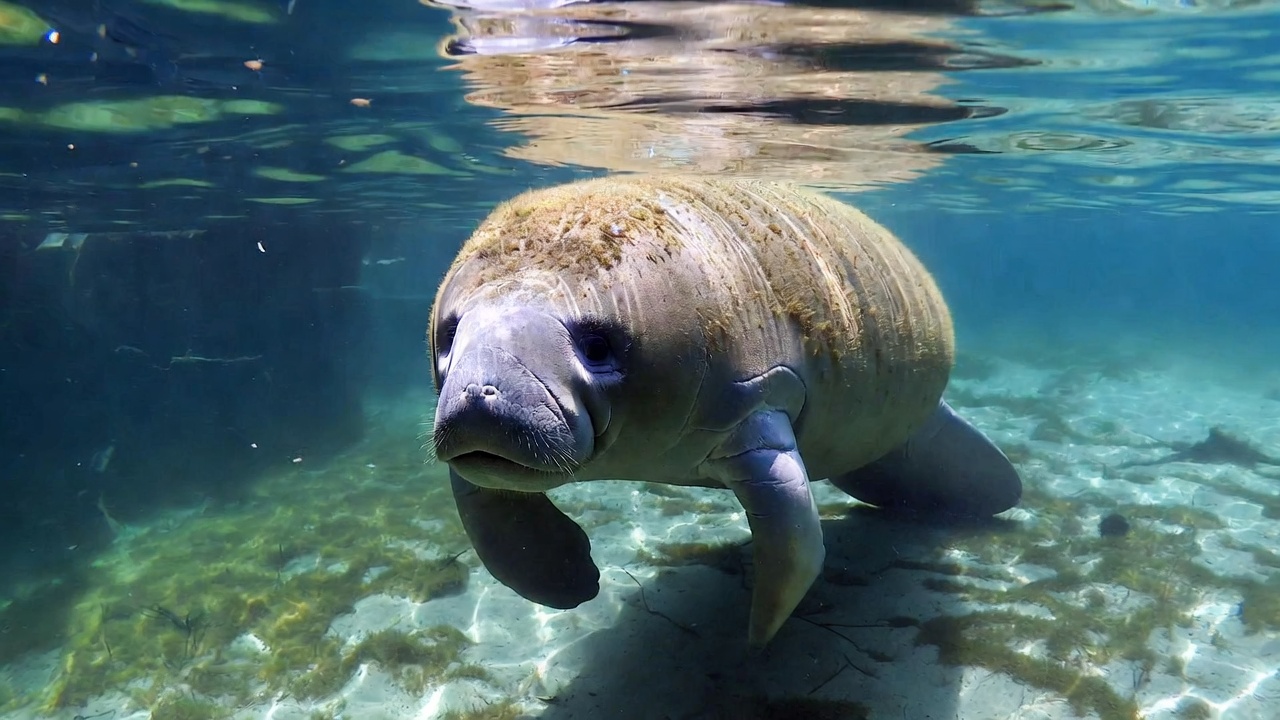
Swimming Gear
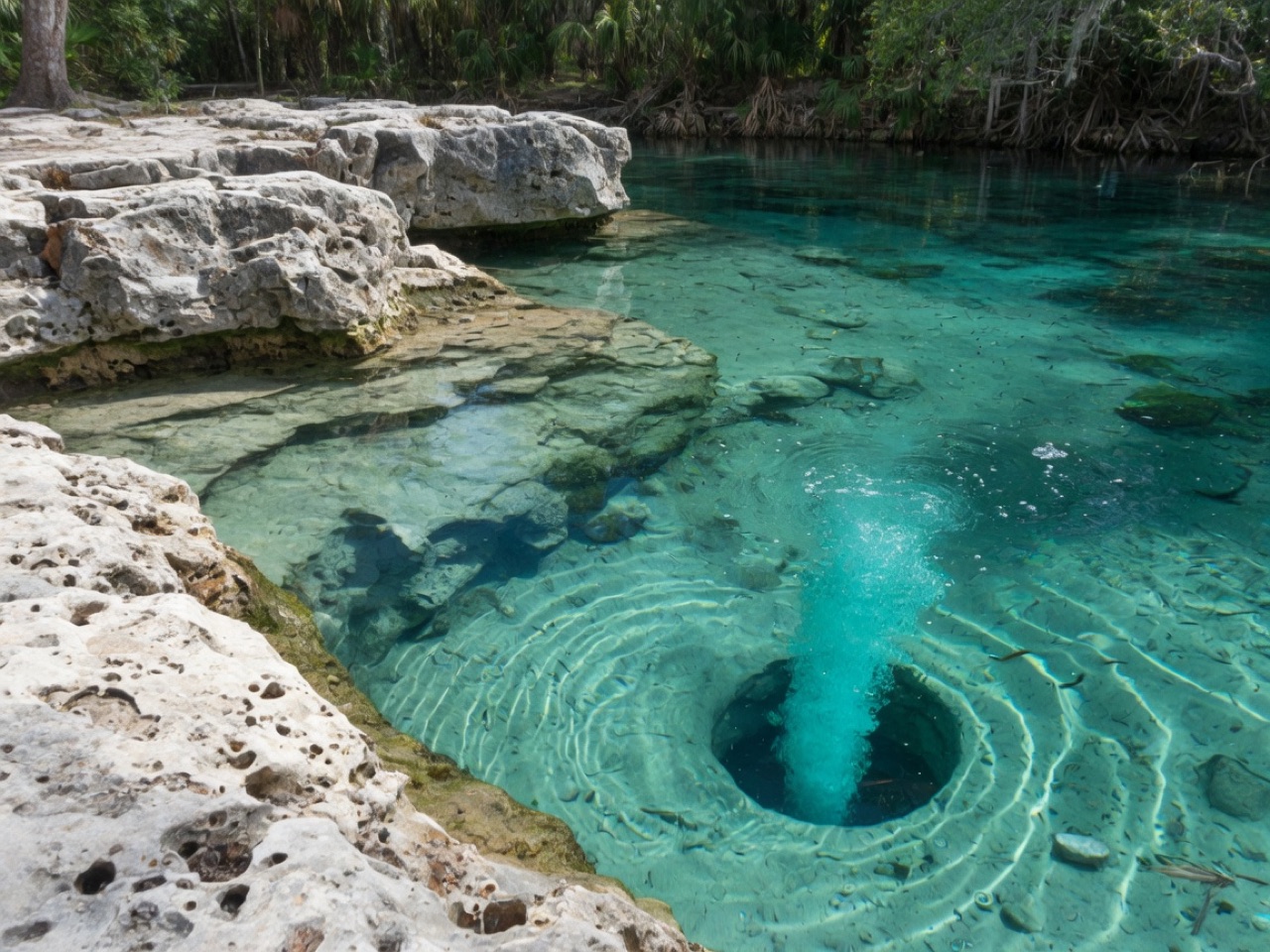
Florida's 700+ springs stay 72°F year-round, ocean temps range 68–86°F, and freshwater lakes are warm enough to swim 10 months a year. Here's what to bring.
Swimming in the Sunshine State
Florida offers swimming environments you won't find anywhere else — swim through millions of gallons of crystal-clear spring water pumping from underground aquifers, float down lazy river runs surrounded by cypress trees, or dive into the Gulf's warm turquoise waters from sugar-white sand beaches.
But Florida swimming has its quirks. UV exposure is extreme (UV index 10+ from April–September). Jellyfish, stingrays, and sea lice are seasonal concerns on ocean beaches. Springs can have strong currents at headsprings. And yes — alligators are in every freshwater body, though they typically avoid populated swimming areas.
Gear by Swimming Environment
Springs & Spring Runs
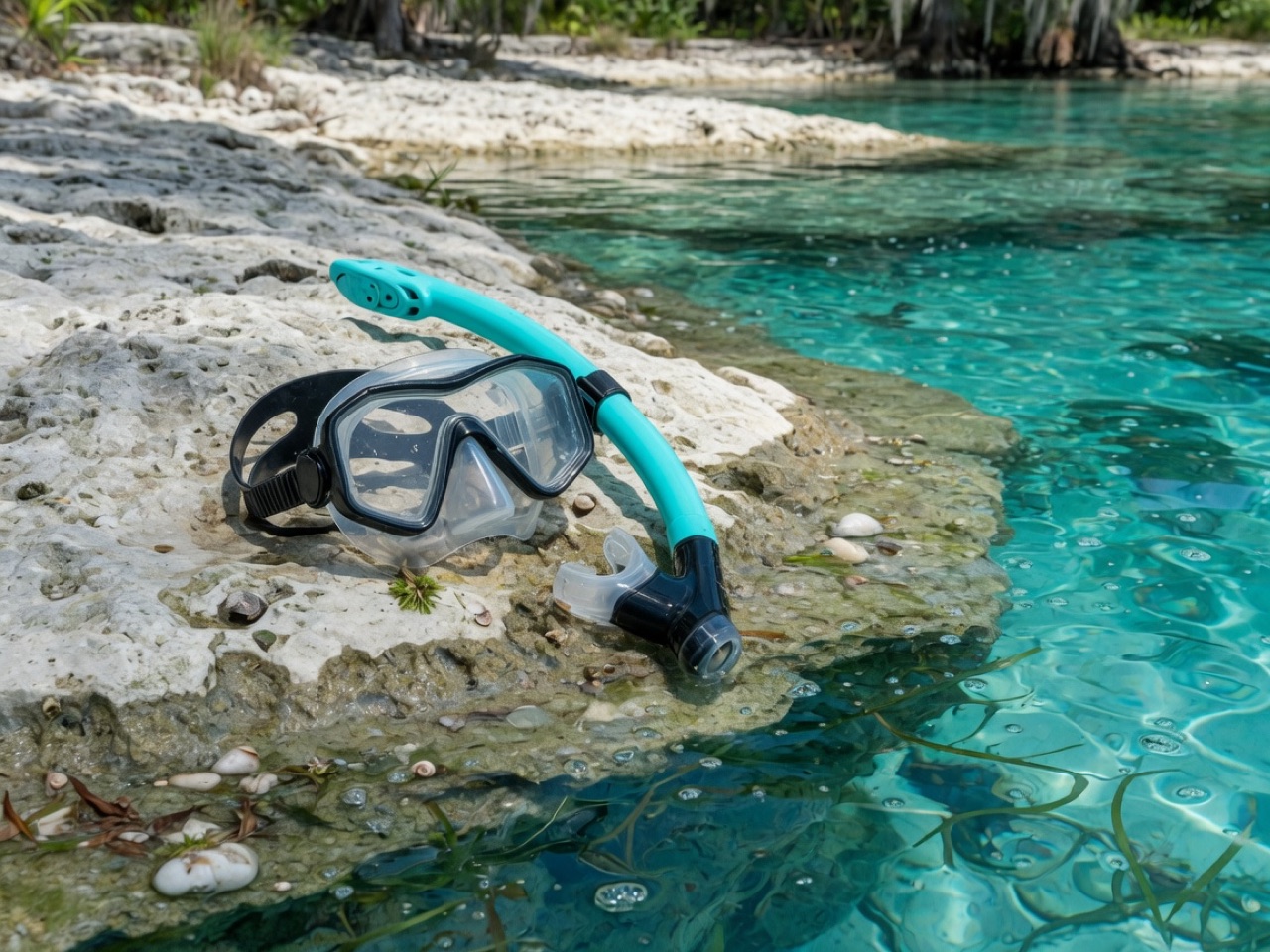
- Clear goggles — compared here. The buy button is the Speedo UV shirt. A clear-lens title was not a single Speedo listing.
- Rash Guard (UPF 50) — Sun protection + warmth; 72°F feels chilly after 30 min
- Pool Noodle / Float — For lazy river float-downs (Ichetucknee, Rainbow, Weeki Wachee)
- Water Shoes — Limestone bottoms at springs are sharp and slippery. Non-negotiable.
- Waterproof Phone Pouch — For underwater photos of fish and turtles in clear spring water
Ocean Beaches
- Speedo Vanquisher 2.0 mirrored — About $22. The mirror cuts ocean glare. A clear lens is a different goggle.
- Reef-Safe Sunscreen Stick — Easy face/ear application; won't wash off like sprays
- Swim Buoy — Bright inflatable float visible to lifeguards and boaters (highly recommended for open water)
- Beach Pop-Up Tent — Critical shade between swims; prevents heat exhaustion
- Jellyfish Sting Relief — Portuguese man-o-war season (Atlantic side, fall/winter)
Lakes & Rivers
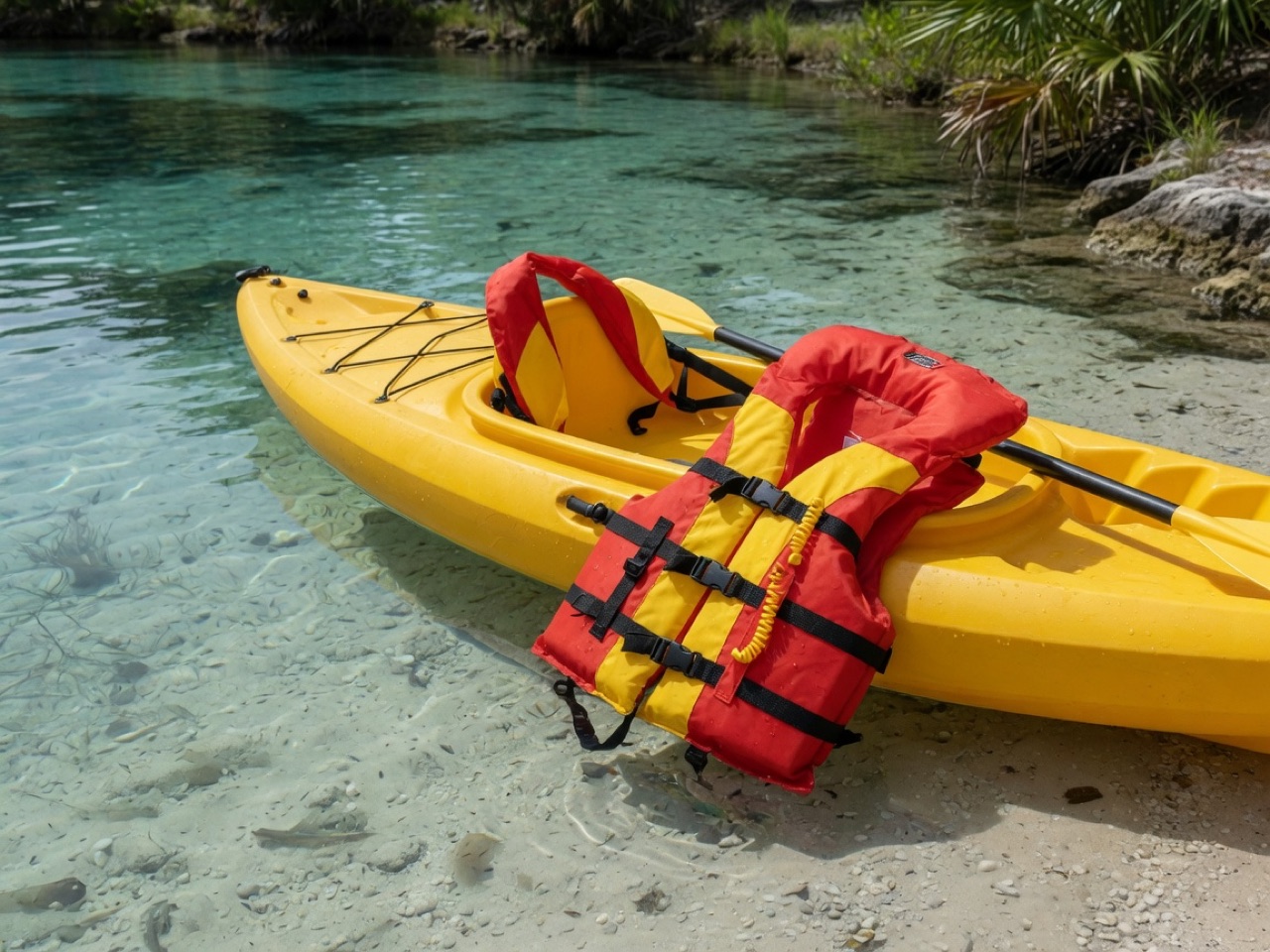
- Onyx Adult Type III — USCG, 90 lb and up. The kids vest on this page is a different listing.
- Closed-Toe Water Shoes — Murky bottoms hide glass, hooks, and submerged logs
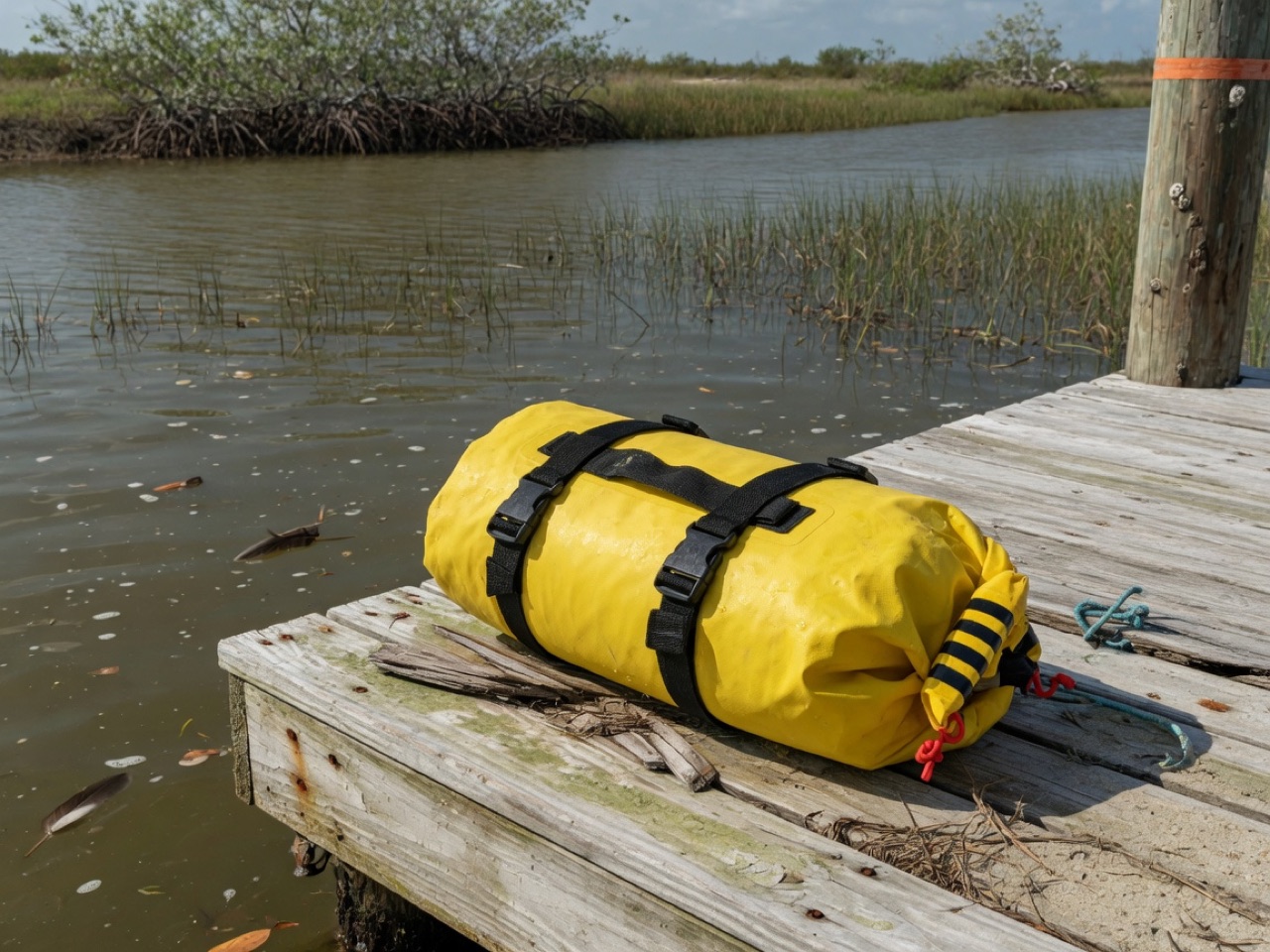
- Tow Float with Dry Bag — Keeps phone/keys dry and makes you visible to boaters
- Waterproof Bug Spray — Lake margins attract mosquitoes, especially at dusk
Kids & Family
- Stearns Puddle Jumper 30–50 lb — USCG Type III. Florida law: children under 6 must wear a PFD on a vessel. A different weight is a different vest.
- Kids Long-Sleeve Rash Guard — Best sun protection for kids who refuse sunscreen reapplication
- Toddler Water Shoes — Hot sand burns little feet; sharp shells at Gulf beaches
- Reusable Swim Diapers — Required at springs and many public swim areas
- Kids Goggles — Spring water clarity makes underwater viewing magical for kids
Florida Swimming Safety
🌊 Rip Currents
Florida beaches have frequent rip currents, especially during storms and tidal changes. If caught, don't fight it — swim parallel to shore until free, then angle back. Signs: discolored water, foam, debris moving seaward, gap in breaking waves.
⚡ Lightning
Florida is the lightning capital of the US. When you hear thunder, exit the water immediately. Water conducts electricity. Do not shelter under single trees or lifeguard stands. Get to a car or enclosed building.
🦈 Marine Life
Shuffle your feet when wading (stingray shuffle) to avoid stingrays. Shark bites are rare (~10/year in FL) but more common near piers, inlets, and bait schools. Avoid swimming at dawn/dusk near fishing activity.
🌡 Heat & Hydration
Water masks dehydration — you sweat while swimming but don't feel it. Drink water before, during (breaks), and after. Heat index above 105°F (common June–Sept) makes heat illness a real risk even in water.
📋 Spring Swimming Rules
Many Florida state park springs have specific rules: no inflatables at headsprings (some allow them on river runs), no food/drink in the water, no feeding wildlife, no sunscreen in some springs (Three Sisters, Crystal River). Check the specific park's rules before visiting — violation fines are $50–500.
Shop Swim Gear
Product links are Amazon affiliate links. As an Amazon Associate, we earn from qualifying purchases — at no extra cost to you. Learn more →
Product links go to Amazon.com searches. As an Amazon Associate, we earn from qualifying purchases — at no extra cost to you. Learn more